The new Ho Chi Minh City – Mega tourism metropolis a golden opportunity to develop signature tourism products
“Ho Chi Minh City Tourism Mega-City” – A Unique Identity Triangle
Previously, Ho Chi Minh City, Binh Duong, and Ba Ria–Vung Tau were three separate tourism centers with distinct strengths. After July 1st, 2025, they will form a “triangle of identities” — a diverse and complementary synergy that lays the foundation for exciting and attractive tourism product development under the unified brand of Ho Chi Minh City.
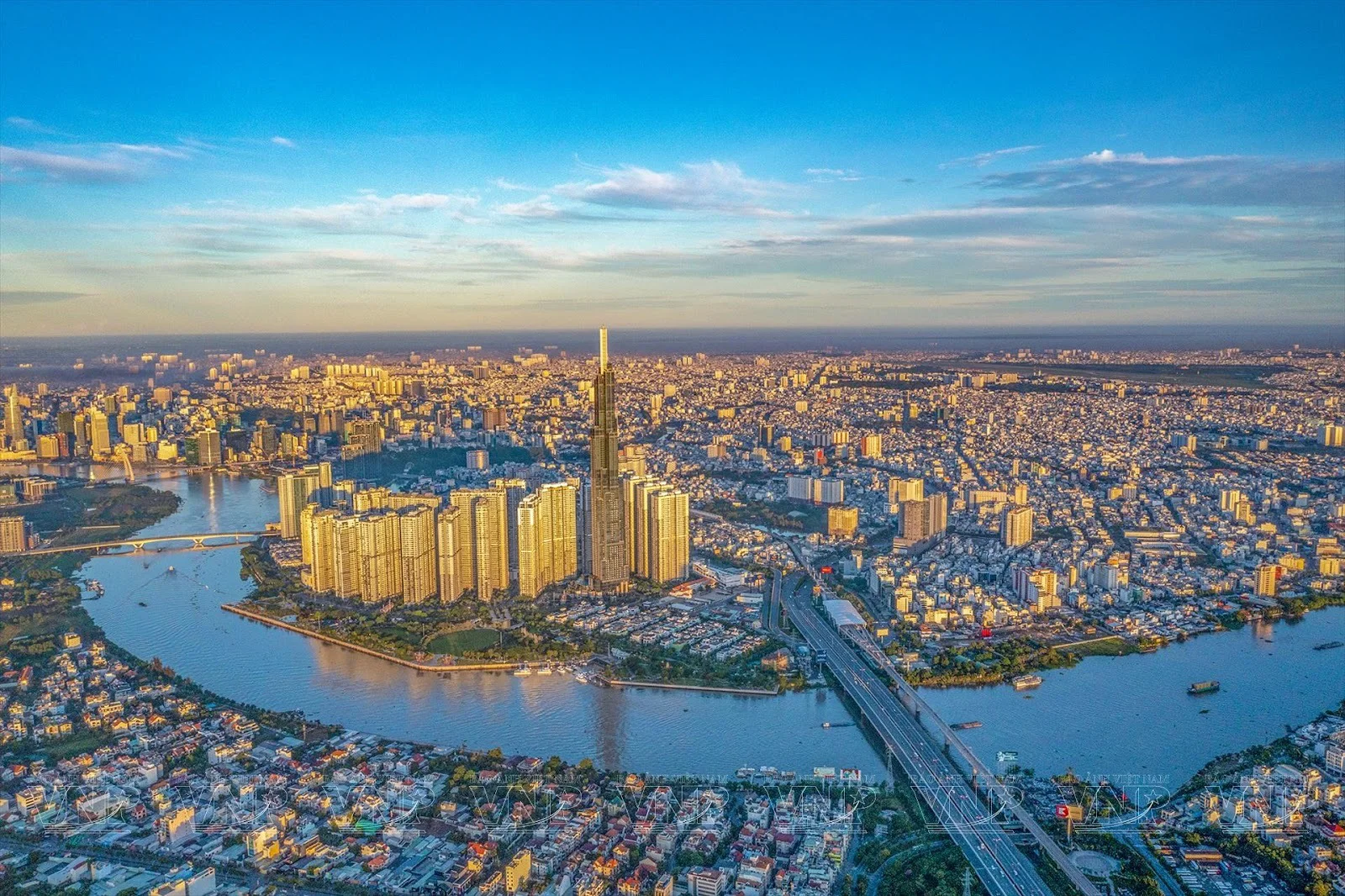
Source: Vietnam Pictorial
Currently, Ho Chi Minh City possesses multiple advantages:
-
- MICE Tourism (Meetings, Incentives, Conferences, and Exhibitions) – along with cultural-historical tourism, street food, and large-scale regional and international events.
- Industrial–Agricultural Tourism – featuring high-tech industrial and agricultural zones and farms suitable for developing Factory Tours, river-based ecotourism, traditional craft villages, and creative urban tourism.
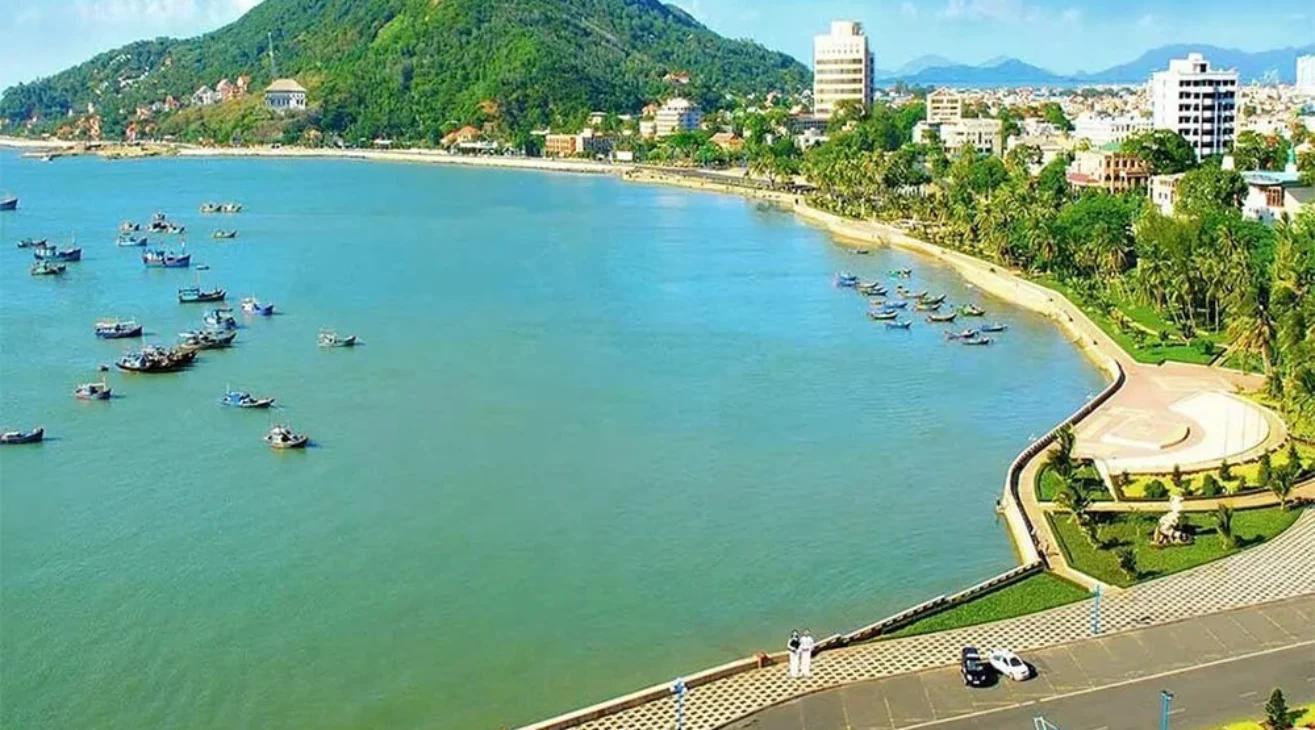
- Marine and Island Tourism – encompassing luxury beach resorts, spiritual and golf tourism, and casinos, highlighted by destinations such as Vung Tau, Long Hai, Ho Tram, and especially Con Dao.
This “unique triangle of identities” is not just an addition of tourism assets but a multiplication of experiential value. It enables Ho Chi Minh City’s tourism sector to craft distinctive, signature products that meet all traveler needs — from leisure and business to cultural exploration and eco-tech experiences. This synergy serves as a powerful driving force for the city to rise as an Asian-level “tourism mega-city.”
“Ho Chi Minh City Tourism Mega-City” – Breakthroughs in Distinctive Tourism Products
The most significant advantage of the expanded Ho Chi Minh City lies in its ability to create new tourism value chains, offering diverse experiences within a single journey. In addition to enhancing existing products such as culinary, cultural-historical, and nightlife tourism, the city can now introduce breakthrough experiences:
1. Core Product Axis: Harmonizing Urban and Natural Attractions
-
- Urban–Marine Tours: Visitors can explore the city’s historic sites and cuisine, then seamlessly transfer to luxury resorts in Ho Tram or Long Hai, and continue with spiritual and eco-tourism in Con Dao — appealing to both domestic and international tourists.
- Waterway Tourism: Development of inner-city river tours combined with riverside dining experiences, directly connecting to the sea via Can Gio and Vung Tau gateways.
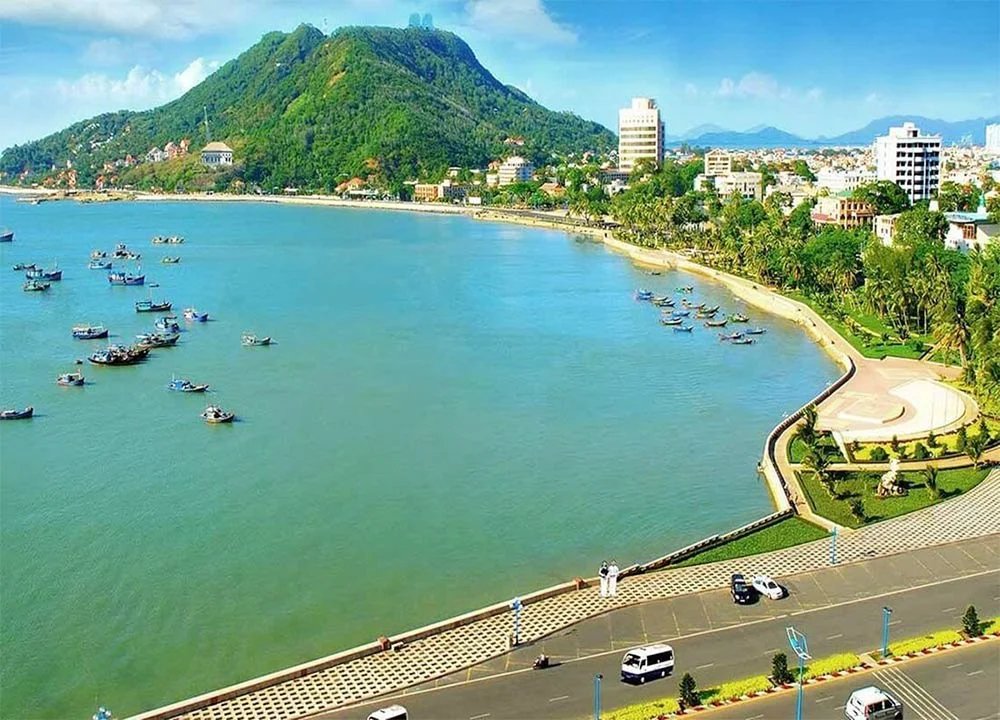
Source: Lao Dong Newspapers
2. Industrial–Cultural Experience Journeys
New tour models will integrate urban and cultural tourism with Binh Duong’s industrial strengths:
-
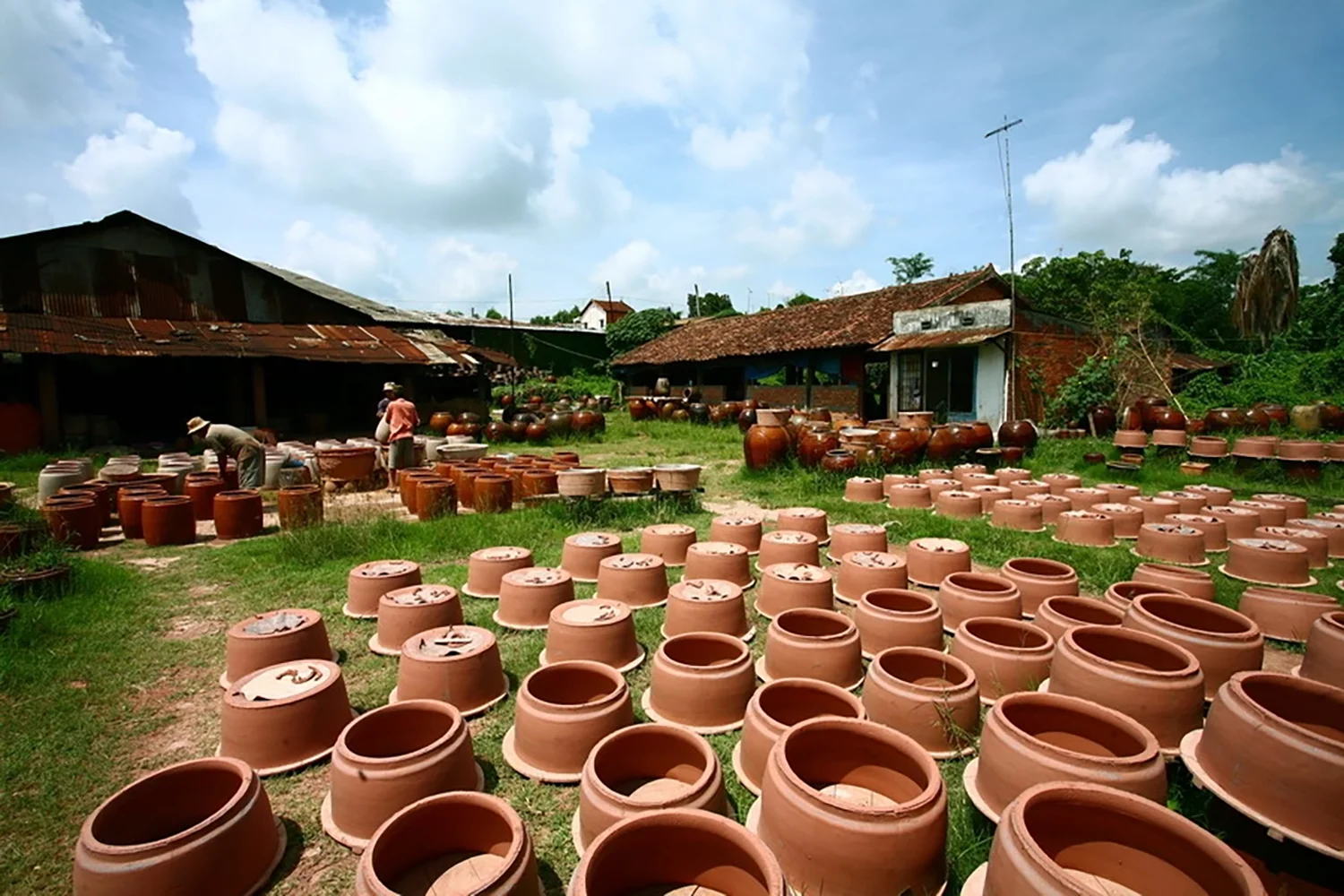
- Urban–Factory Tours: Combining visits to iconic Ho Chi Minh City landmarks with real-life experiences at high-tech factories, industrial parks, and traditional craft villages in Binh Duong. This is a unique form of industrial tourism targeting niche and MICE markets.
- Ecotourism – Golf: Blending riverbank ecotourism and relaxation along the Saigon River (Binh Duong) with premium golf services — complementing MICE and leisure tourism.
Source: VNExpress Newspapers
Ho Chi Minh City Tourism – Elevating Its Destination Brand Globally
Ho Chi Minh City is gradually solidifying its role as Vietnam’s international gateway — both the first and final stop for many tours — thanks to its major international airport and synchronized seaport-logistics network. Moreover, the city is evolving into an “All-in-One Destination,” where visitors can experience everything from a modern metropolis and cultural gastronomy to industrial tours and luxurious beach and island resorts.
By integrating marine and island resorts, craft villages, industrial, cultural-historical, festival, and MICE tourism, Ho Chi Minh City is poised for a substantial transformation — redefining its position on the regional and global tourism map.
Ho Chi Minh City Tourism – Seizing Opportunities and Overcoming Challenges
To turn potential into reality, Ho Chi Minh City’s tourism industry needs government support to complete inter-regional transport infrastructure, accelerate key transport projects (Expressways, Ring Road 3, Ring Road 4), and shorten travel time across the three former regions — Ho Chi Minh City, Ba Ria–Vung Tau, and Binh Duong.
Addressing the shortage of high-quality tourism manpower, especially in marine and industrial tourism, is also essential. At the same time, developing a unified management framework will leverage centralized governance to harmonize regulations, thus facilitating business operations and the implementation of post-merger tourism products.
Overall, this administrative merger is a strategic national move, creating a tourism mega-city full of potential. With diversified resources and an integrated tourism space, Ho Chi Minh City now stands at a golden turning point — ready to shape unique inter-regional tourism products and rise as a leading tourism center not only in Vietnam but also across Asia and the world.