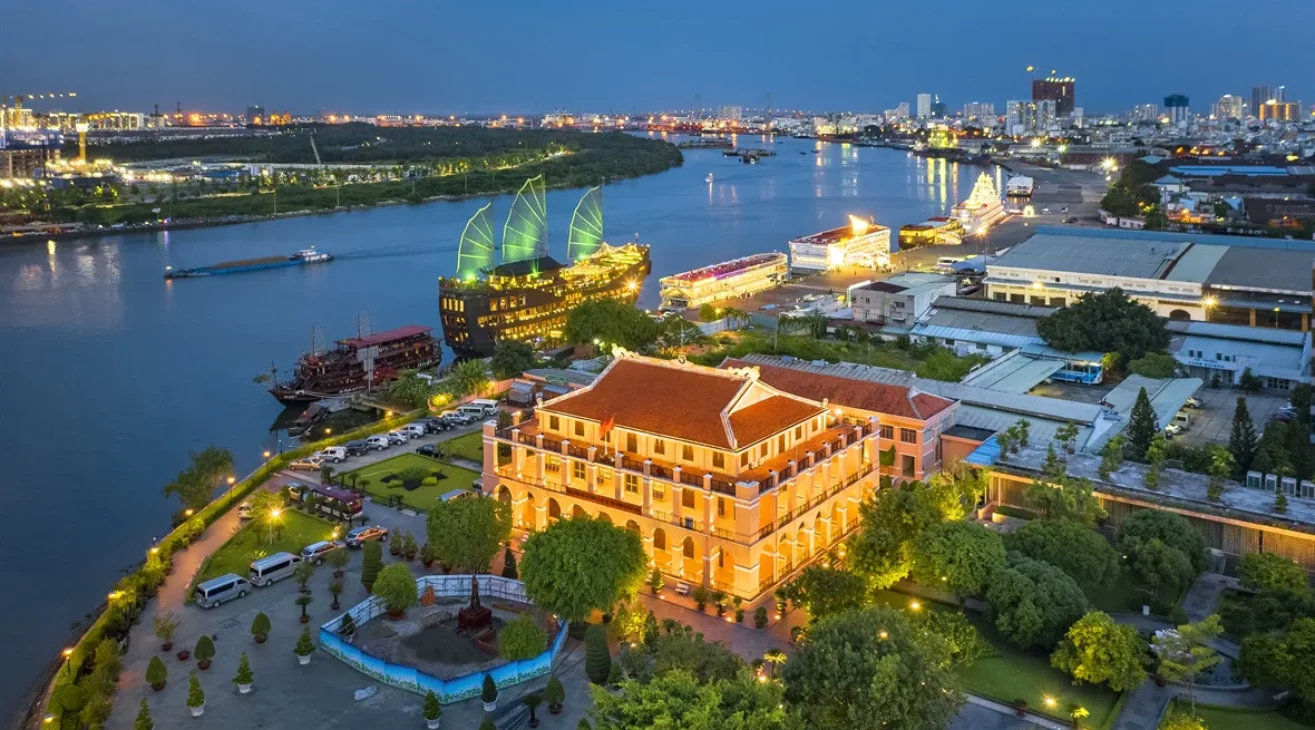
Developing cultural and historical tourism in Ho Chi Minh City after the merger: Expanding heritage discovery journeys, exploring culture
Ho Chi Minh City – The ever-expanding cultural and historical journey
Ho Chi Minh City has undergone over 320 years of historical ups and downs alongside the nation’s development, gradually forging its unique identity and quickly asserting its value as a central metropolis—the leading economic, cultural-educational, scientific-technological, financial, commercial, and service hub of the country. On July 1, 2025, Ho Chi Minh City officially merges with Ba Ria – Vung Tau province and Binh Duong province, forming a regional-scale mega-city. This historic milestone opens up a new development phase for the economy and tourism in Ho Chi Minh City.
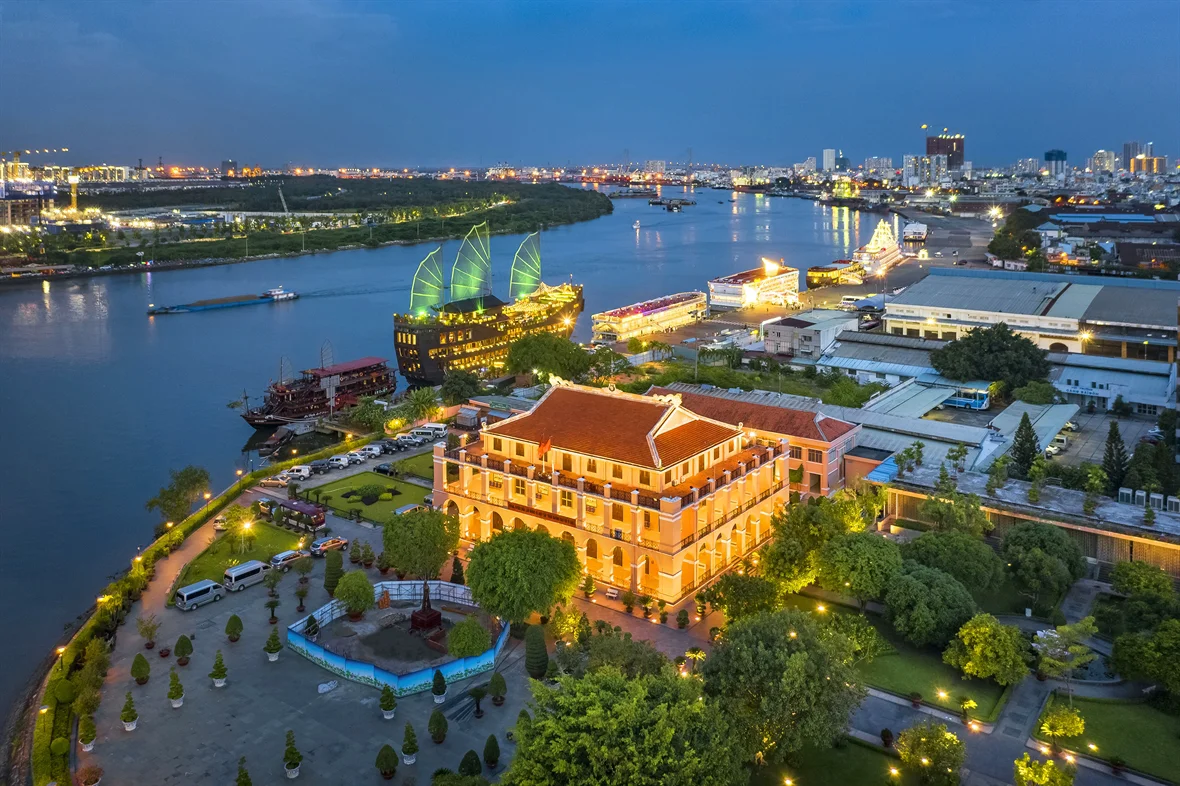
The new administrative boundaries provide Ho Chi Minh City with a vast space and a richer source of cultural and historical resources than ever before. No longer just a vibrant economic center, Ho Chi Minh City is now confidently unveiling new cultural and historical discovery journeys, connecting historical sites bearing the imprint of ancient Saigon with latent heritage sites in the Vung Tau, Con Dao, Binh Duong, and Thu Dau Mot areas. Visitors can explore the history and culture of the City from a more comprehensive perspective:
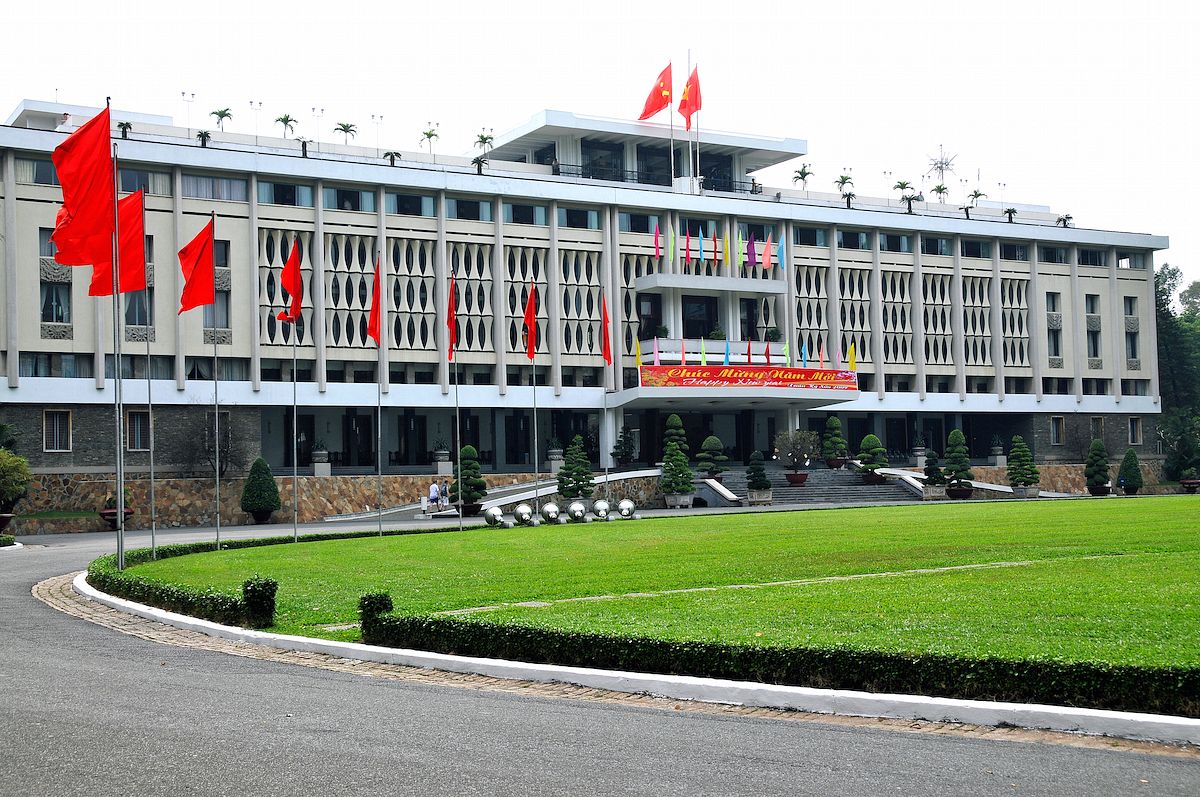
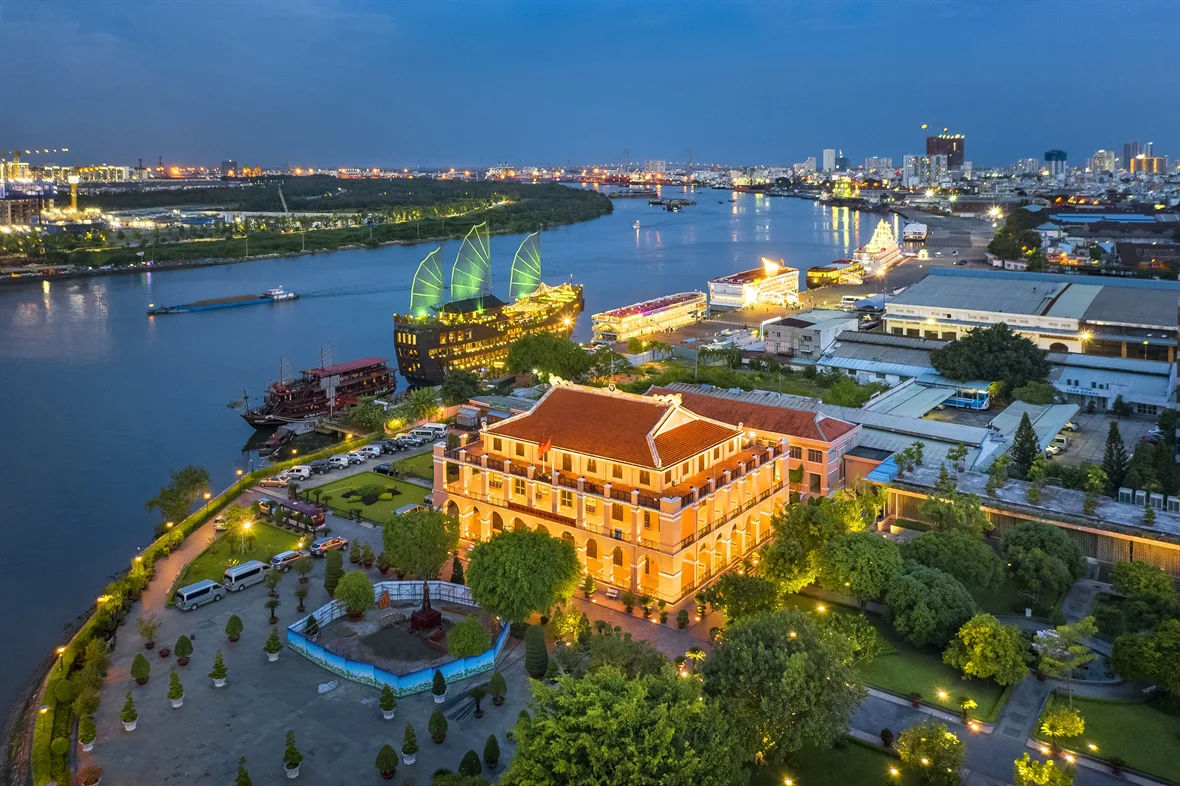
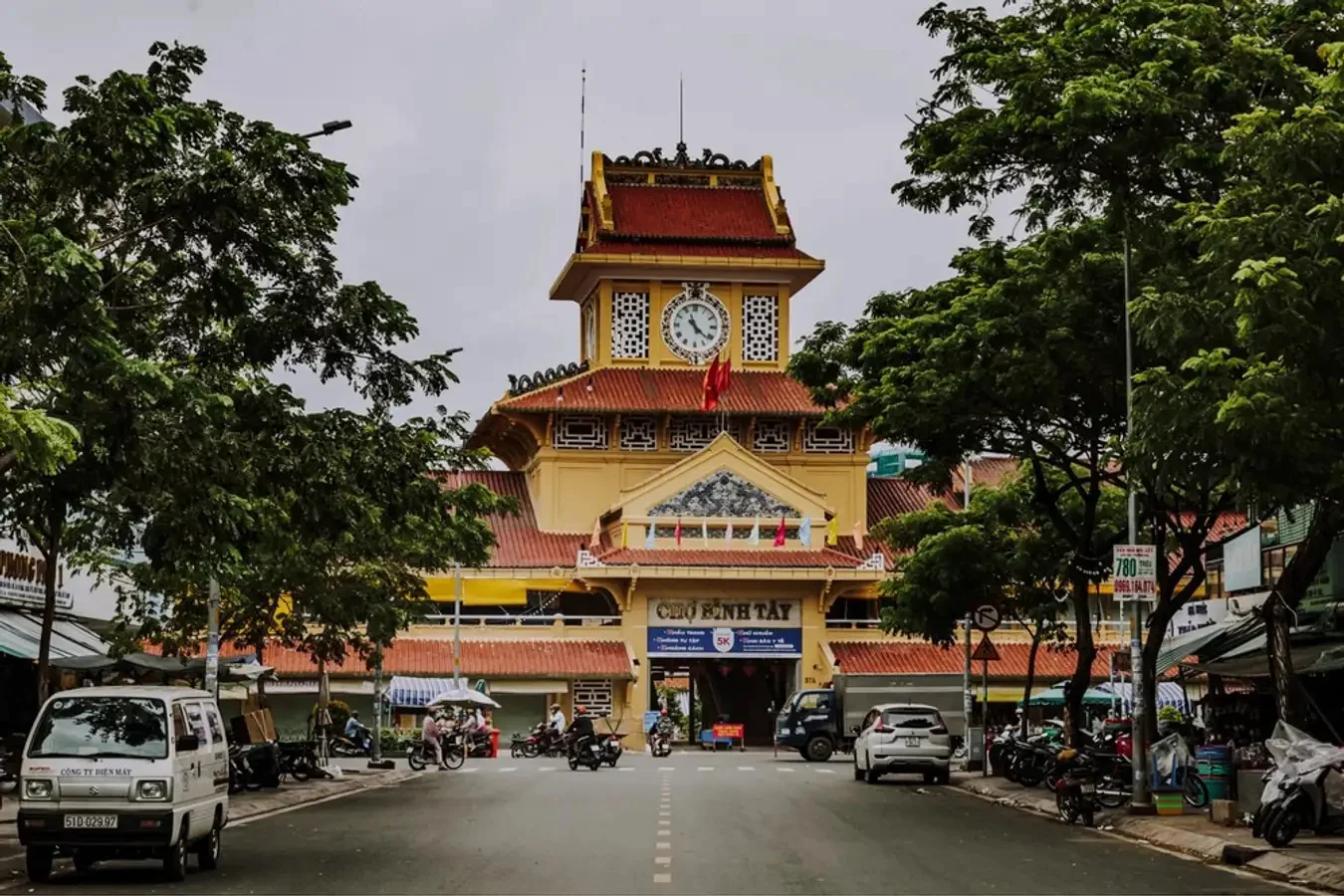
Among modern skyscrapers, Ho Chi Minh City proudly preserves unique, ancient cultural works and historical relics with centuries-old Indochinese architectural imprints. Visiting Ho Chi Minh City, tourists will satisfy their need to explore and understand the distinctive cultural, economic, and social characteristics of the City. The system of museums utilizing digital technology and the City’s cultural and historical relics offer visitors novel and exciting experiences, such as the War Remnants Museum, the Ho Chi Minh City Museum, the History Museum, the Fine Arts Museum, the Ao Dai Museum, the War X (Weapons) Museum, and the Cu Chi Tunnels—a relic honored as one of the Top 7 most adventurous destinations in Southeast Asia and Top 12 most fascinating underground wonders in the world. Furthermore, the City’s typical old architectural works like the Thu Ngu Flagpole, the People’s Committee Headquarters, the City Post Office, the City Theater, Ben Thanh Market, Binh Tay Market, Notre Dame Cathedral Basilica of Saigon, or new iconic works such as the Tam Thang Tower, the old Binh Duong Administration Center Building, Landmark 81, Bitexco Financial Tower, etc., all leave unforgettable impressions on visitors. Moreover, the new Ho Chi Minh City is ready to welcome visitors with handicraft village tourism products or explorations of sea and island culture.
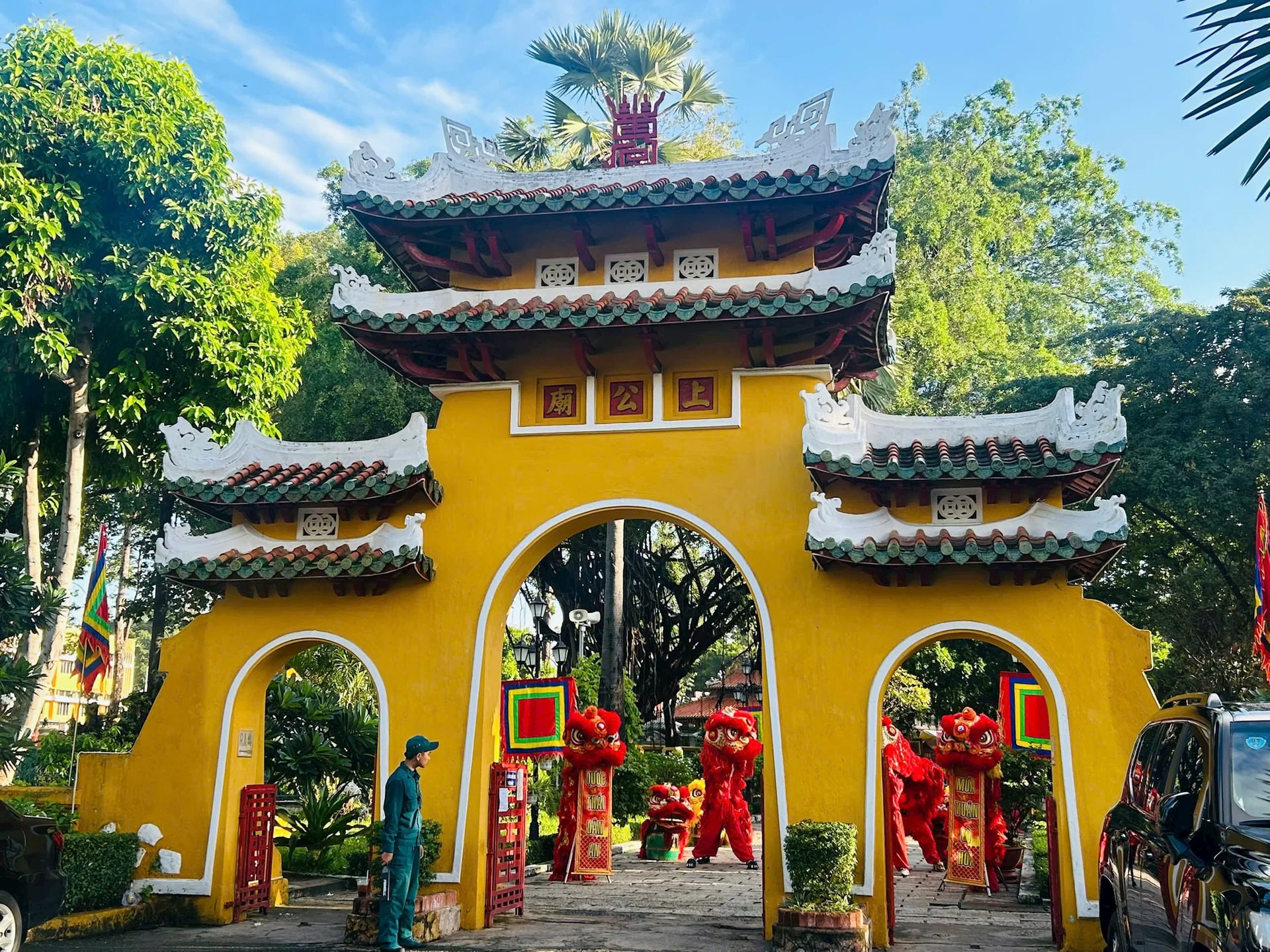
In Ho Chi Minh City, visitors can immerse themselves in the year-round festival atmosphere and cultural and tourism events such as the Spring Flower Festival, Ao Dai Festival, Tourism Day, Banh Mi Festival, River Festival, Southern Cuisine Festival, ITE HCMC International Travel Expo, Tourism Week, International Gourmet Festival, Techcombank International Marathon, Nghinh Ong Can Gio Festival, Lion and Dragon Dance Festival, and more. Now, the City can develop many more festivals like the Handicraft Village Festival, Kite Festival, Sea Festival, Sea Sports Festival, Fruit Festival, etc., in the newly merged localities.
Promoting tourism through traditional art performances is one of the practical solutions for the City’s tourism industry. Programs, events, shows, and art performance venues contribute to promoting history and culture, serving domestic and international tourists, including puppetry, hát bội (classical opera), đờn ca tài tử (southern amateur music), traditional instrument performances, singing and dancing, circus acts, etc. These cultural “specialties” are skillfully turned into prominent product highlights in tourist itineraries, creating special excitement in the hearts of visitors.
Ho Chi Minh City Tourism – Diversifying tourism products and new cultural and historical tours after the merger
Besides familiar cultural relics and destinations, visitors have more options to explore the heritage, architectural works, and traditional handicraft villages in the new areas. With the expanded space, Ho Chi Minh City has developed many new tours, maximizing the potential for cultural and historical tourism in the merged areas. Specifically:
Journey from ancient saigon to modern Ho Chi Minh City: Connecting central Ho Chi Minh City destinations with historical and cultural relics in the former Ba Ria Vung Tau and Binh Duong areas.
Traditional craft village discovery program: Taking tourists to handicraft villages to learn about traditional crafts and experience the production process: from Binh Loi yellow apricot village, Le Minh Xuan incense village to Tuong Binh Hiep lacquerware village, Lai Thieu pottery village, Phu Van wooden clog village, etc.
Riverside and suburban tour route: Combining the discovery of historical relics with ecological tourism experiences and learning about river culture.
Culinary tourism products: Ho Chi Minh City’s food tours are increasingly attractive with new spaces from craft villages, farms, seas, and islands.
The merger is not only an administrative turning point but also a strong boost for the cultural and historical tourism industry of Ho Chi Minh City. With abundant resources, sound development strategies, and strong connections between localities, the City is creating new, unique, and meaningful discovery journeys. Ho Chi Minh City’s cultural and historical tourism does not just tell stories of the past; it also paints a promising future, affirming the position of a leading cultural mega-city in the region.