New Ho Chi Minh City: Unveiling Integrated Tourism Axis
The new Ho Chi Minh City, after merging with neighboring localities, has not only increased in geographical size but also opened up a diverse, potential, and highly integrated tourism ecosystem. In the new context, the city’s tourism industry is gradually forming three key experience spaces, closely connected to each other on a continuous journey from the inner city to the sea, from urban to nature.
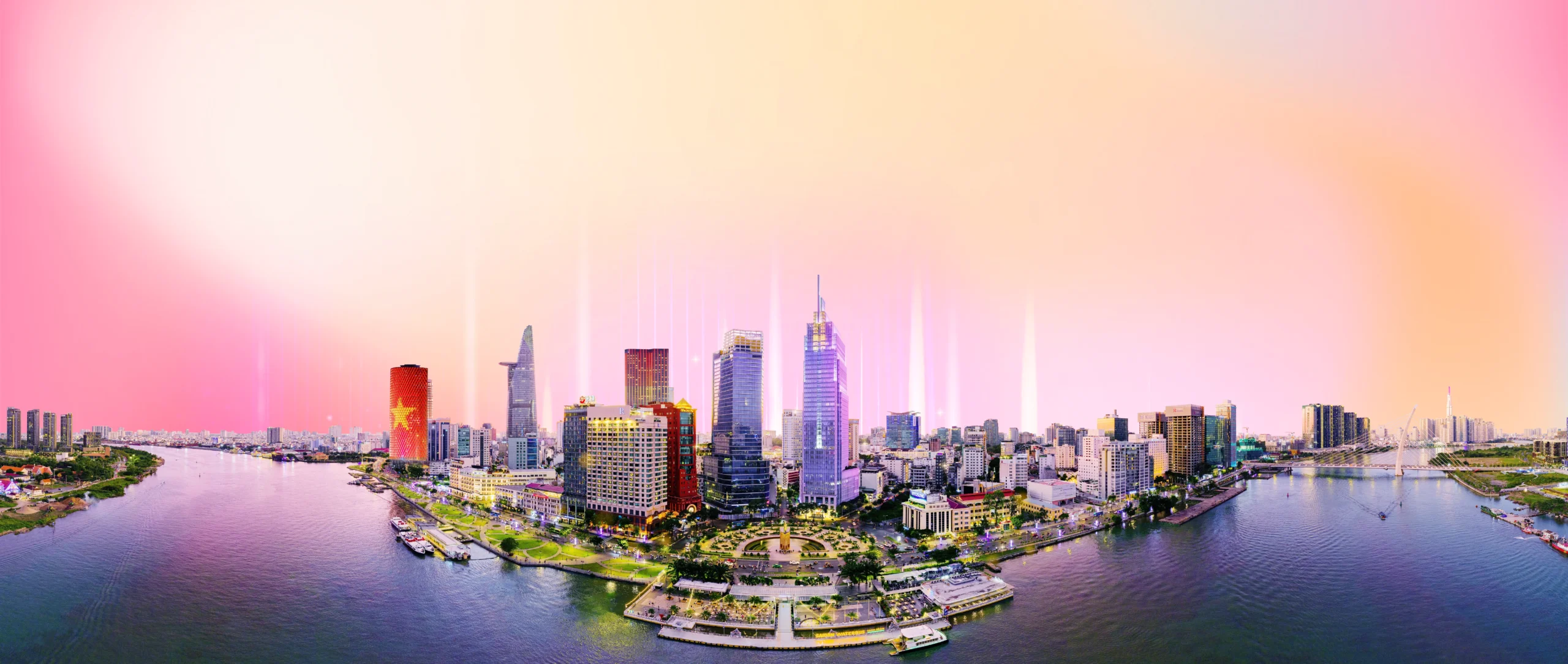
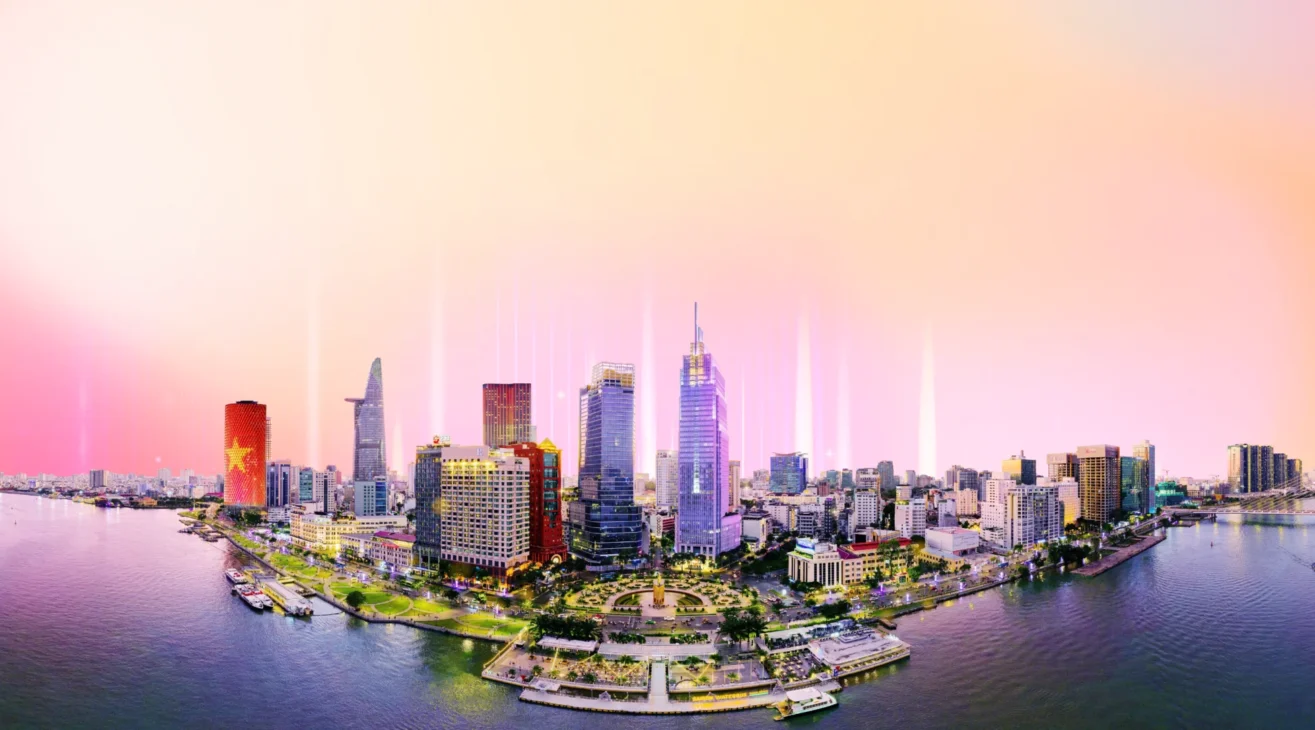
The central urban space is where heritage, art, and creative values converge. This is a region that strongly develops city tour products, MICE tourism, night tourism, exhibition spaces, and unique cultural experiences. Here, tourists can explore pedestrian streets, museums, theaters, high-end shopping areas, and architectural highlights bearing historical and contemporary imprints. The central area of the City will play a leading role in this space.
Continuing the experience axis is the riverside and ecological industrial space, which is being repositioned as a transition zone between the city and the sea. With a system of interwoven canals and craft villages, farms, factories, and modern industrial parks, this place is suitable for developing waterway tourism products, industrial tourism, educational tourism, weekend vacations, and community tourism. The Northwest and Northern areas of the City are emerging as new dynamic areas for this product line.
The third space is the coastal resort region, with potential destinations such as Long Hai, Ho Tram, Binh Chau, and Con Dao. This is a region with beautiful beaches, a mild climate, rich natural landscapes, and isolated spaces, suitable for developing health care products, sea vacations, golf courses, spiritual tourism along the coast, and nature exploration. In the future, this area will play a key role in providing high-end tourism products, serving the international tourist segment with high spending power and quality experience needs.
The development along the integrated spatial axis helps Ho Chi Minh City overcome the development limits of the old administrative boundaries. Strategic connecting axes such as the expressway system, coastal roads, and large river corridors play the role of conduits, creating conditions for the smooth movement of visitors between spaces and products. This is the foundation for the tourism industry to develop balanced in terms of visitor numbers, experience quality, and spatial distribution.
In the coming time, the City’s Department of Tourism will continue to coordinate with regions in the area to re-plan destination clusters, invest in upgrading products in a continuous, specialized, and unique direction. In parallel are promotion and advertising solutions along the axis, according to experience instead of geographical boundaries. The formation of three distinct tourism spaces will create conditions for businesses to exploit more effectively, tourists to have a more coherent journey, and localities to share benefits more harmoniously.
The new Ho Chi Minh City, with an integrated approach and orientation to develop tourism space in depth, is showing a clear transformation to become a multi-center, dynamic, and sustainable tourism center in the new development phase.