From Michelin Stars to Street Alleys: The Culinary Harmony of Ho Chi Minh City
Introduction
Ho Chi Minh City is one of the most exciting food capitals in Ho Chi Minh City. The culinary identities combine modern fine dining with century-old street food traditions. These kinds of fine food bring a new and exciting perspective into culinary culture. In Vietnamese culture, food is central as many locals and tourists will eat at both luxury restaurants and roadside stalls. These meals can be as simple as a banh mi or a multi-course tasting menu prepared by award winning chefs. In 2023, the arrival of the Michelin Guide in Vietnam enhanced the city’s reputation, showcasing Vietnamese cuisine on the global stage. Simultaneously, Ho Chi Minh City continues to improve food safety through recognized street food zones, safer dining environments, and by allowing visitors to experience authentic local flavors. Combining these two culinary worlds helps cultivate the city’s unique food culture.
Michelin Starred Venues and Bib Gourmand
The fine dining scene in Ho Chi Minh City has been gaining international recognition following the introduction of the Michelin Guide to Vietnam. There are several categories that Michelin awards are divided into, like restaurants that demonstrate exceptional cooking are awards a Michelin Star, while the Bib Gourmand awards establishments that serve high quality meals at affordable prices. Together, these awards illustrate the diversity of Vietnamese cuisine by highlighting both luxury dining and authentic local cuisine.
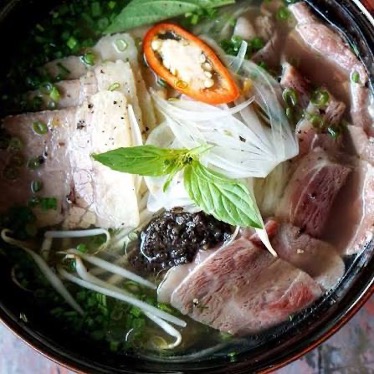
Anan Saigon, located in District 1 near the Ben Thanh Market, is one of the city’s most celebrated restaurants. Because of their innovative approach to Vietnamese cuisine, the restaurant has earned one Michelin Star. The love and popularity of this restaurant stems from embracing and refining their traditional foods instead of turning away from it. Their head chef, Chef Peter Cuong Franklin, reinvents familiar street foods using premium ingredients and modern cooking techniques. For example, a signature dish would be a refined version of pho that features Wagyu beef. The restaurant illustrates how they can remain true to their culture while elevating their traditional cuisine.
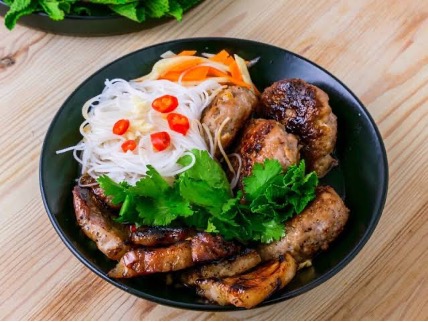
For travelers who seek exceptional food without premium prices, there are plenty of Bib Gourmand restaurants around Ho Chi Minh that provide an excellent alternative. For instance, Bun Cha 145 on Bui Vien street offers authentic dishes like a Hanoi-style grilled pork with fresh herbs, vermicelli noodles, and dipping sauces at affordable prices. Similarly, Bep Me restaurants strive to serve and enhance family recipes that focus on the comforting flavors and fresh ingredients. Restaurants like these prove that gourmet cooking can also be inexpensive in modest establishments and isn’t only limited to expensive fine dining.
Beyond individual restaurants, the chefs in Ho Chi Minh City are redefining Vietnamese cuisine. This is seen through the combination of global culinary techniques and local ingredients. The creativity among the Chefs of Vietnam have helped the city take the position of the exciting gastronomic experiences available in Southeast Asia, while still maintaining the cultural roots within their food.
Safe Street Food Alleys
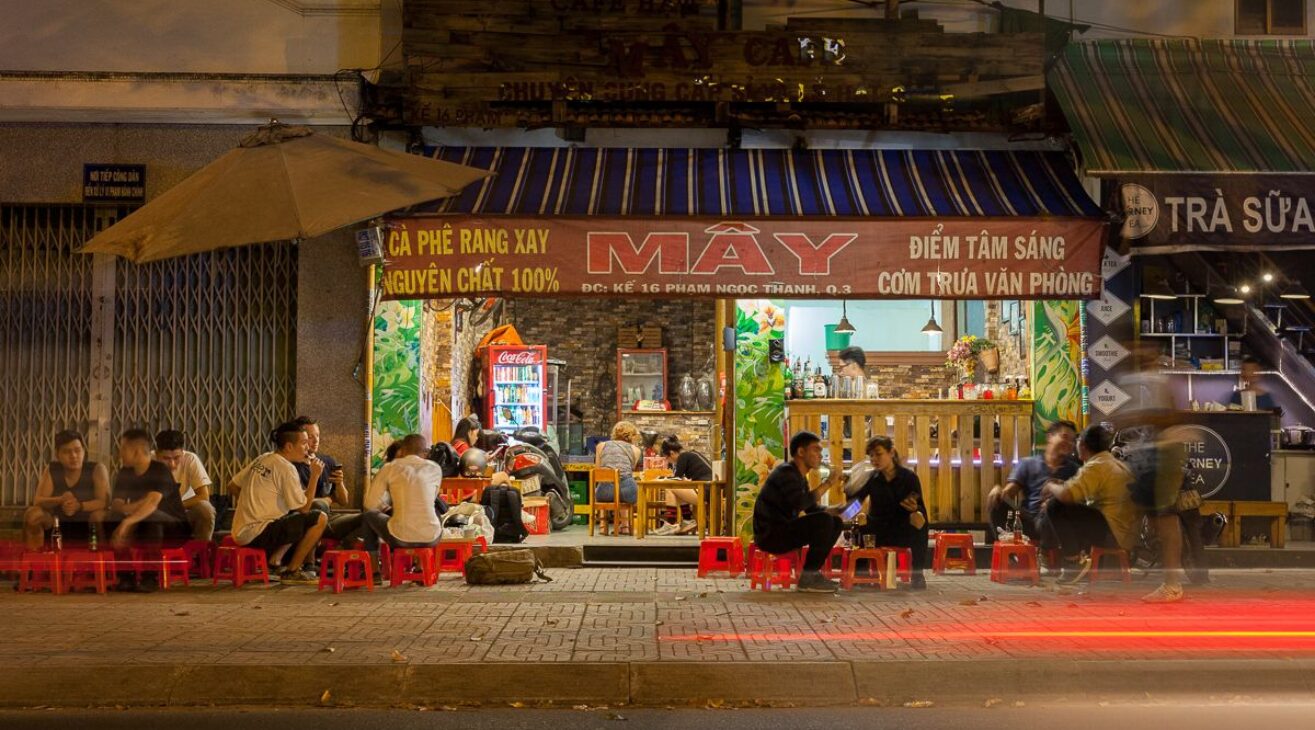
As enticing as Michelin Star restaurants can be, the heart of Ho Chi Minh’s culinary culture lies in the street food. The city’s street food is a part of the locals’ daily life and is essential, as the affordable meals are prepared through recipes passed down through generations. Throughout recent years, local authorities have been introducing and enforcing safer hygiene practices that vendors can follow. For example, displaying clear pricing, maintaining clean preparation areas, and having regular food safety inspections. These kinds of initiatives allow travelers to experience the authentic street food in Vietnam with much greater confidence.
Next to the famous flower market in, District 10 holds one of the most vibrant culinary destinations called Ho Thi Ky Food Street. This alley comes alive each evening as countless vendors prepare their dishes in front of customers. This inviting atmosphere with organized stalls, designated seating areas, and bright lights allows visitors to sample a wide range of Vietnamese specialty dishes.
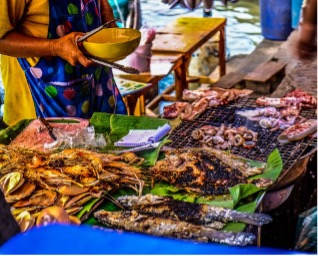
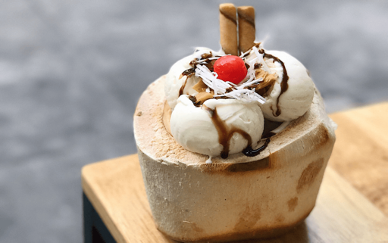
Another popular destination is known as Nguyen Thuong Hien Street, which is known for its abundance of snail restaurants. In this street, there is lots of enjoyable seafood cooked in garlic butter, fragrant lemongrass, or tamarind sauce, while sitting at the outdoor tables. A visit to Ho Chi Minh City cannot be completed without enjoying a banh mi filled with grilled pork, picked vegetables, and finishing the day with a scoop of homemade coconut ice cream from the local vendors.
Beyond sharing cultural dishes for hungry visitors, these food streets play a huge role in supporting local families and preserving culinary traditions. Nguyen Thuong Hien, Ho Thu Ky Food Street, and many more have created employment, encouraged younger generations to continue family businesses, all while attracting tourism as well. As a result, Ho Chi Minh City has been able to successfully demonstrate how famous street food culture can continue to thrive while still adapting to today’s regulations.
Conclusion
The balance of innovation and tradition have defined the food scenes in Ho Chi Minh City. Recognized street food alleys illustrate a preservation of the city’s authentic flavors and identity passed down through generations, while Michelin starred restaurants demonstrate how Vietnamese cuisine can evolve through fine dining and creativity. Instead of these two culinary experiences competing with one another, they are able to complement each other, offering guests a much better perspective to understand Vietnam’s rich food culture. Whether a traveler is enjoying a sophisticated dish or eating Banh mi from a thriving street, they can experience the diversity, passion, and history that makes Ho Chi Ming City one of the world’s most memorable culinary destinations.