From French Baguette to Vietnamese Banh mi to Vietnamese Banh mi: A journey of transformation
1. The “Western-loaf” and its first steps in Vietnam
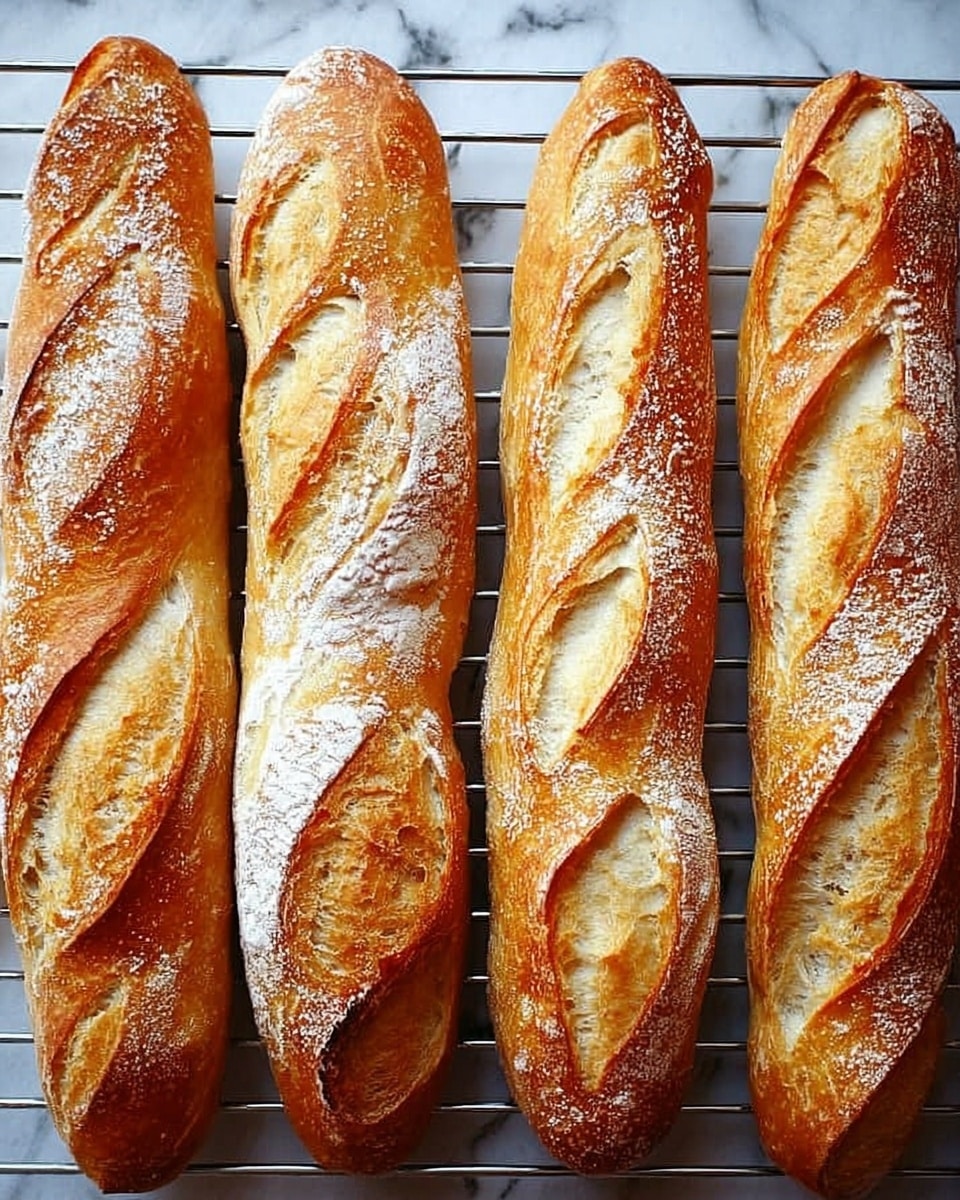
The French baguette made its way to Vietnam in the mid-19th century, alongside the arrival of the French during the early stages of colonization. Through many historical shifts, the exact moment of its introduction remains unclear. According to researcher Trần Đức Anh Sơn, writing in Da Nang Socio-Economic Development Journal, and referencing scholar Trịnh Bách, the presence of bread can be tentatively traced to the late 1850s in Cochinchina, spreading to Tonkin in the early 1870s, and later reaching Central Vietnam after the fall of Hue.
It is widely believed that the first bakeries in Vietnam were established by the French, located in military camps, European quarters, and major hotels in cities such as Saigon, Hanoi, and Huế in the late 19th to early 20th centuries, owned or operated by Europeans. From there, the French-style baguette spread across the country, gradually entering a long journey of transformation to become the proud culinary icon known today as Vietnamese bánh mì.
2. A transformation shaped by the Vietnamese spirit
Adapting to local eating habits and everyday mobility, Vietnamese bakers demonstrated remarkable ingenuity through four key innovations: resizing the loaf, reshaping its form, adjusting ingredients, and creating diverse fillings.
+ Resizing the loaf: The original baguette, once 70 – 80 cm long, was shortened to about 30–35 cm, making it more convenient to carry and enjoy on the go.
+ Reshaping the form: The loaf evolved into a compact oval shape, tapered at both ends and fuller in the middle, with a crisp crust and light interior. This smart design helps keep the fillings neatly in place.
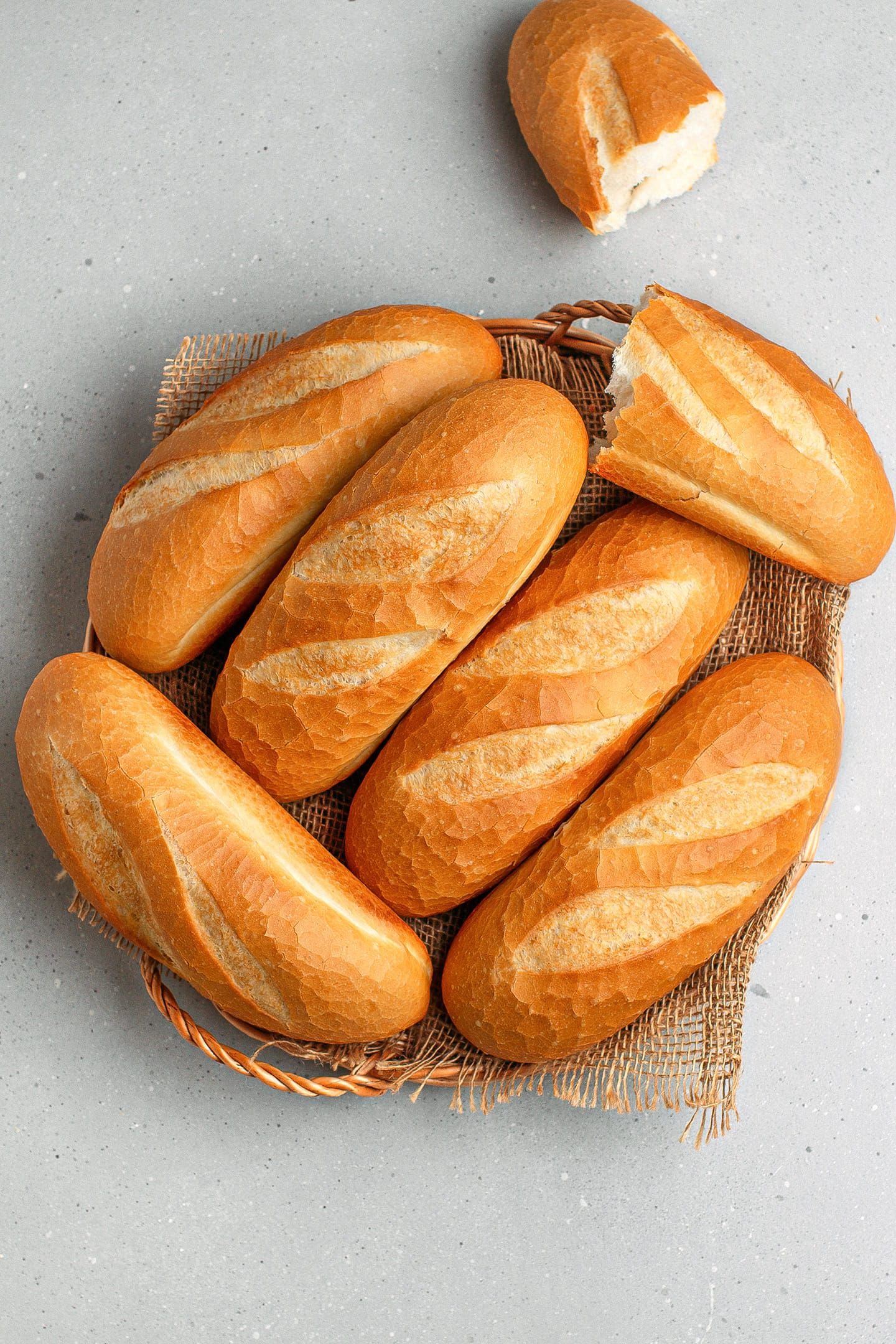
– Adjusting ingredients: Due to shortages of imported wheat flour, bakers began blending in rice flour. This not only reduced costs but also resulted in a softer, airier crumb – perfect for holding fillings.
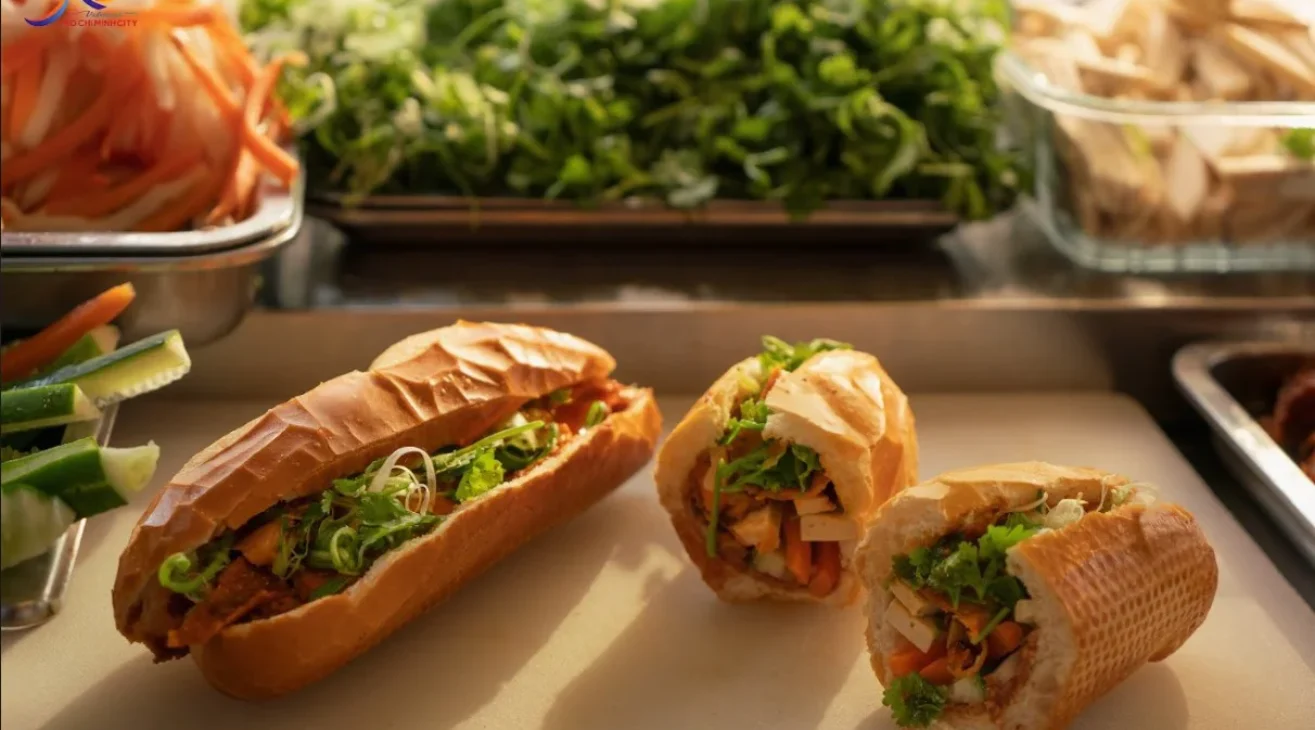
– Creating fillings: Starting with the pioneering combination of meat, Vietnamese pork sausage (chả lụa), and pate at Hoa Ma bakery in Saigon in 1958, the baguette – after more than half a century of adaptation – officially evolved into the iconic Vietnamese sandwich. Today, fillings have become incredibly diverse: from grilled meat, roasted pork, canned fish, fried eggs, sausages, and cold cuts to fresh vegetables like cucumber, pickled carrot and daikon, scallions, onions, and chili – perfectly reflecting local tastes while enriching Vietnam’s culinary landscape.
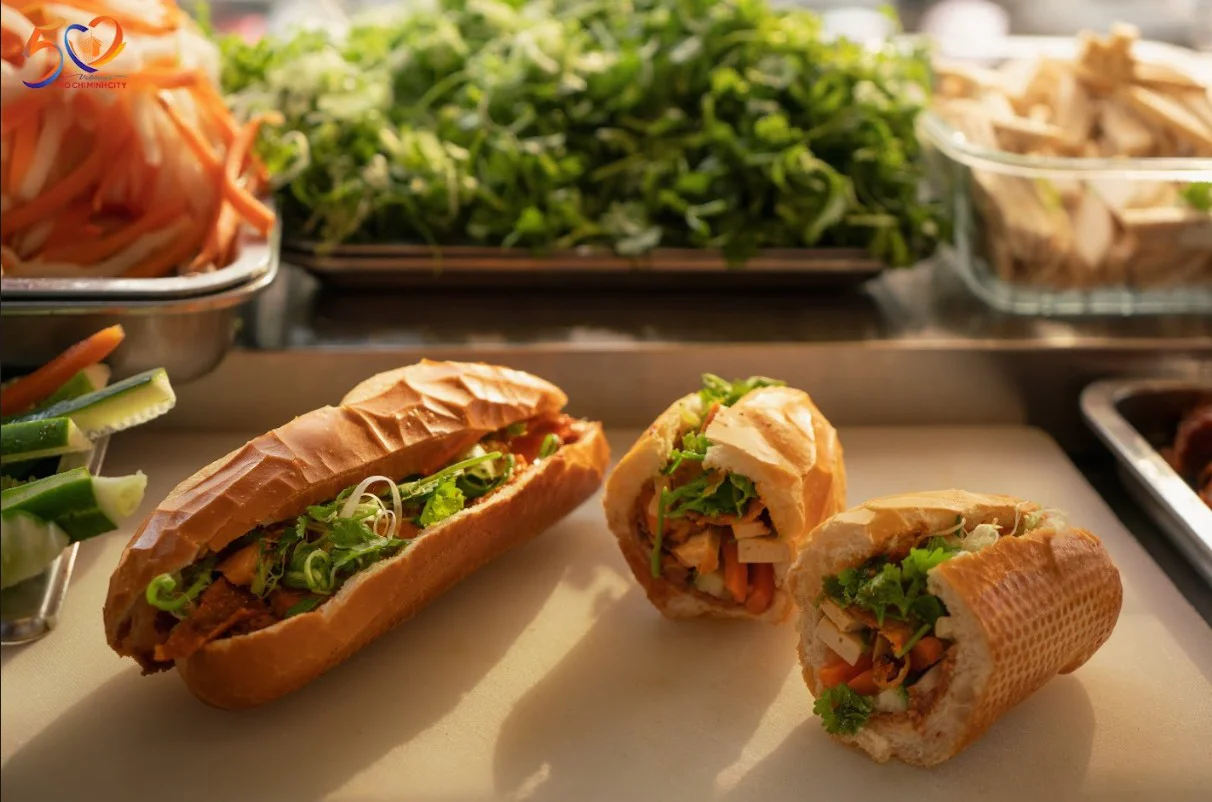
Today, bánh mì is no longer just a quick snack – it has become a culinary symbol, winning over food lovers worldwide and earning its place among the best street foods globally.
3. Continue the story at the 4th Vietnam Bánh Mì Festival!
The story of Vietnamese bánh mì is not confined to history – it continues to shine in modern life. To celebrate this journey of creativity and pride, the 4th Vietnam Bánh Mì Festival officially returns, bringing a vibrant cultural and culinary space to the heart of Ho Chi Minh City.
🥖 150 large-scale booths: A journey from traditional flavors to bold, creative takes on bánh mì.
📸 5 impressive check-in installations:
+ The Festival Entrance Gate is designed with inspiration from Vietnamese bamboo, lotus flowers, and wheat grains—symbolizing agricultural roots and culinary excellence.
+ A miniature scene recreating old Saigon.
+ A model of Vietnamese bánh mì, a stylized Eiffel Tower, lotus flowers, wheat, and a traditional coffee phin filter—highlighting the cultural fusion between Vietnam and France.
+ A bread-made airplane installation.
+ A model of Vietnamese Banh mi featuring various fillings, setting a record of 150 accompanying dishes
🎉 A series of exciting activities: Enjoy bánh mì and a wide range of culinary delights on-site, experience live stage performances, explore, check in, and engage in interactive activities at various booths. Visitors can also immerse themselves in cultural experiences that recreate traditional community life, with folk games, handicraft activities, and artistic performances – creating a lively and welcoming festival atmosphere.
#LeHoiBanhMi #BanhMiSaiGon #VibrantHCMC #dulichthanhphohochiminh #FoodFestival #VisitHCMC