About Ho Chi Minh City Ho Chi Minh City, often called Saigon, is a young metropolis with just over 300 years of history. Known as the "Pearl of the Far East," this vibrant city charms with heritage architecture, a dynamic atmosphere, and friendly locals, attracting visitors from Vietnam and worldwide.
Frequently asked questions
Visa
Implementing Resolution No. 32/NQ-CP dated on 15th March 2022 on visa exemption for citizens of 13 countries (Federal Republic of Germany, French Republic, Republic of Italy, Kingdom of Spain, United Kingdom of Great Britain and Northern Ireland, Russian Federation, Japan, Republic of Korea, Kingdom of Denmark, Kingdom of Sweden, Kingdom of Norway, Republic of Finland and Republic of Belarus) with a maximum length of stay to 15 days
Transports
Popular Transportation in Ho Chi Minh City
1. Motorbike & Tech-Bike
- The most flexible way to navigate narrow alleys and busy streets.
- Rent a scooter at local shops (arround 150k-300k VND/day) or book a ride (Grab, Be, Xanh SM apps, etc.)
- Always wear a helmet, secure your bags, and avoid riding during peak rush hours.
2. Car & Taxi
- A comfortable, air-conditioned option for groups or long distances.
- Stick to trusted traditional brands or use ride-hailing apps for fixed pricing.
- Ensure the driver starts the meter or confirm the app price before the trip begins.
3. Public Transport (Bus & Metro)
- Bus: the most budget-friendly choice with an extensive network of 150+ routes; use the MultiGo app to track schedules.
- Metro is now operational, connecting Ben Thanh Market to the Eastern Bus Terminal; use the HCMC Metro app to buy tickets.
- Keep small change for bus fares and avoid these during the 7-9 AM and 4:30-6:30 PM peaks.
4. Walking & Cycling
- Ideal for exploring central landmarks and hidden gems at a slower pace. Enjoy pedestrian-friendly zones or use the public bike-sharing stations.
- When crossing busy streets on foot, walk at a slow, steady pace so motorbikes can easily flow around you.
Sim Cards & Helpful Numbers
Getting a local SIM card in Vietnam is fast and inexpensive. There are three major GSM network operators in Vietnam, and all have good coverage: Viettel, Vinaphone, Mobifone. You can buy prepaid SIM cards on arrival at major airports, as well as from countless shops across the country.
You will need to show your passport to register your SIM card. Prices for SIM cards, SMS messages and phone calls are extremely affordable within Vietnam. You can load your phone credit in increments from 20,000 VND to 100,000 VND on most networks. Data-only SIM cards may cost 100,000 VND to 200,000 VND depending on the amount of data purchased.
Here are few numbers you may need while in Vietnam:
- International Dialing Code: +84
- Domestic Calls (within Vietnam): 0 + Area code + Telephone No.
- International Calls (outside Vietnam): 00 + Country code + Area code + Telephone No.
The following is a list of useful telephone numbers to have on hand when visiting Vietnam:
- +84: International Dialing Code
- 101: Domestic Long Distance Telephone Service
- 1080: Social and Cultural Information
- 110: International Telephone Service
- 113: Police
- 114: Fire Brigade
- 115: Ambulance
Power Plugs
The voltage supply in Vietnam is 220 volts. Most sockets accommodate plugs with two round prongs.
If you need adaptors you can find them at any electrical shop, or ask your hotel for assistance. Power cuts and surges are not common but can happen from time to time depending on the location.
Internet & Postal Services
Vietnam is well-wired and in most destinations you can easily find a connection in cafes, spas, shops, hotels and restaurants. Free public Internet access is available in several tourist hubs and major airports.
Local 3G and 4G packages are an affordable option if you plan to visit remote areas or need to be online frequently.
The Vietnamese postal service is generally reliable, although packages can take longer to arrive than expected and are often held at the post office for pick-up.
Mailboxes are uncommon. If you are sending postcards home, give them to your hotel to mail or send them directly from a post office.
Currency
Vietnam’s unit of currency is the Vietnamese đồng (VND), represented by the ‘₫’ symbol. You can find notes in denominations of 200₫, 500₫, 1,000₫, 2,000₫, 5,000,₫ 10,000₫, 20,000₫, 50,000₫, 100,000₫, 200,000₫, and 500,000₫. For newcomers it can be helpful to ignore the final three zeros until you get the hang of the conversion.
Cash is generally used for small purchases, however, most establishments will accept payments from major credit card providers such as Visa. In addition, hotels, tour operators, boutiques, restaurants, and grocery stores generally accept international debit and credit cards.
If you need to change money, currency exchange counters are available at airports, banks, and official exchange centers. However do note it can be very difficult to purchase dollars once you’re in Vietnam. For most travellers we recommend using ATMs instead of currency exchange points. ATMs are widely available across the country. Maximum withdrawals for foreign cards are usually two or three million per transaction.
Visitor Information and Support Center
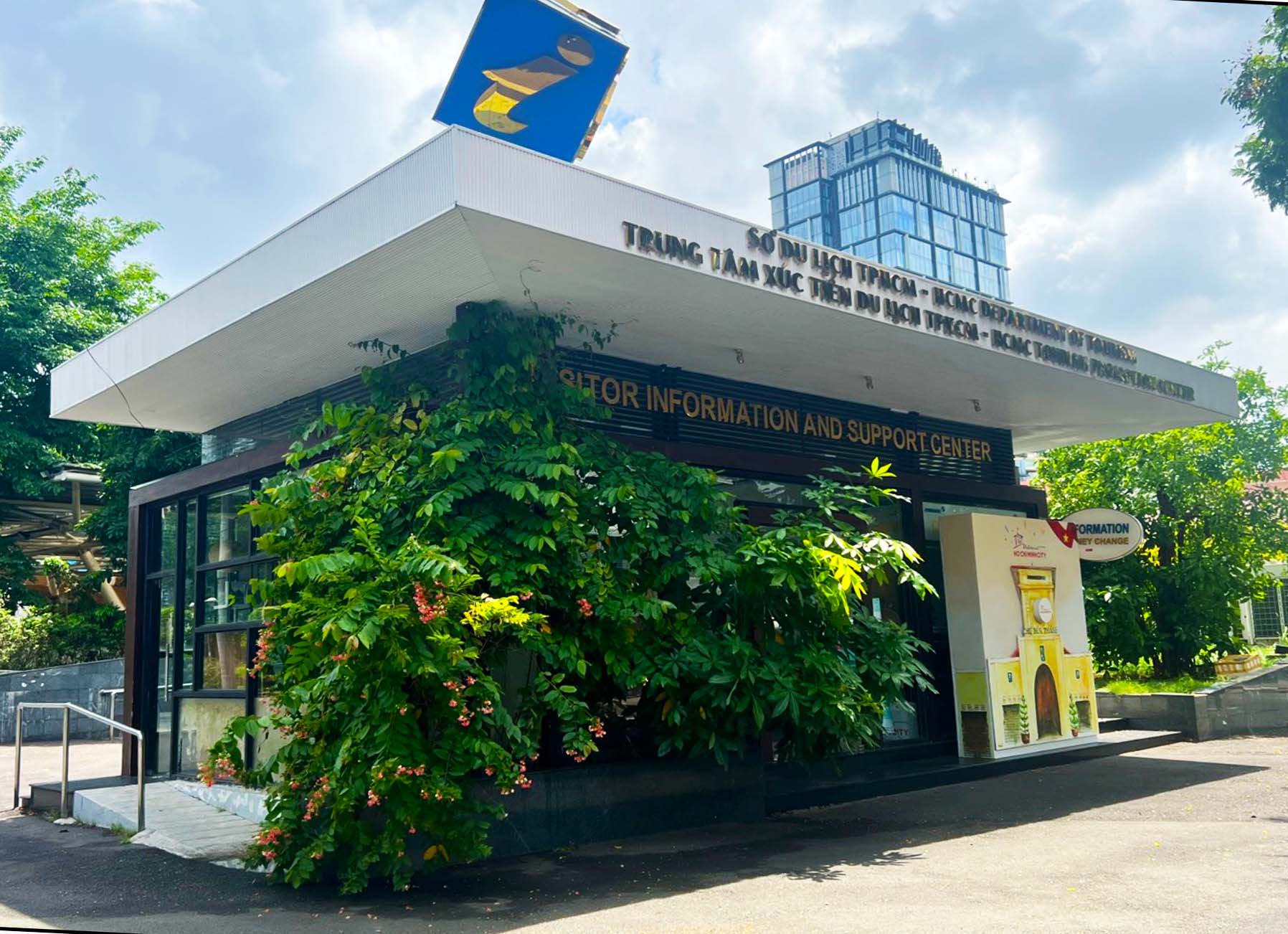
Are you looking for travel information support or need some suggestions for exploring various attractions in Ho Chi Minh City? Visit the Tourist Information and Support Center, where our enthusiastic staff will provide valuable information to make your trip even more exciting.
Main Services:
- Provide multilingual publications, travel guides, and maps introducing tourist destinations in Ho Chi Minh City and other provinces of Vietnam.
- Assist tourists in booking sightseeing tours, train tickets, river cruise dinners, and more.
- Offer information on accommodations and other related services.
- Free Wi-Fi system, 32-inch touchscreen for tourists to look up travel information, and phone charging stations.
- Support in resolving issues related to tourism safety.
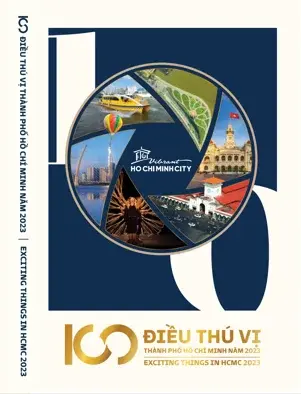
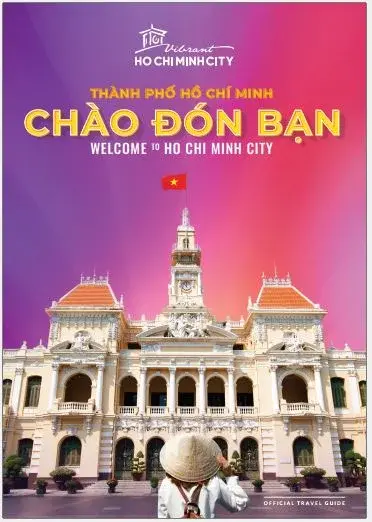

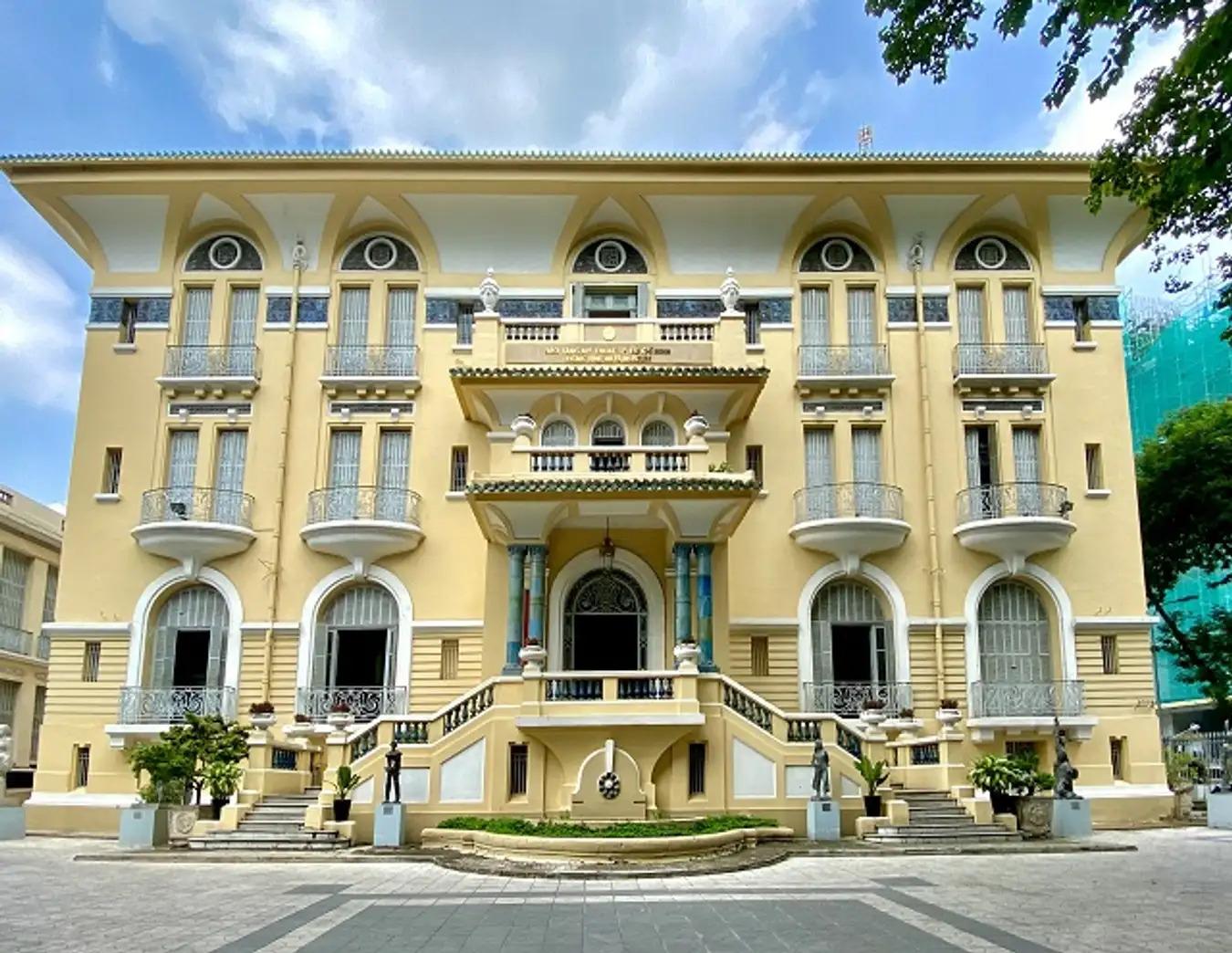
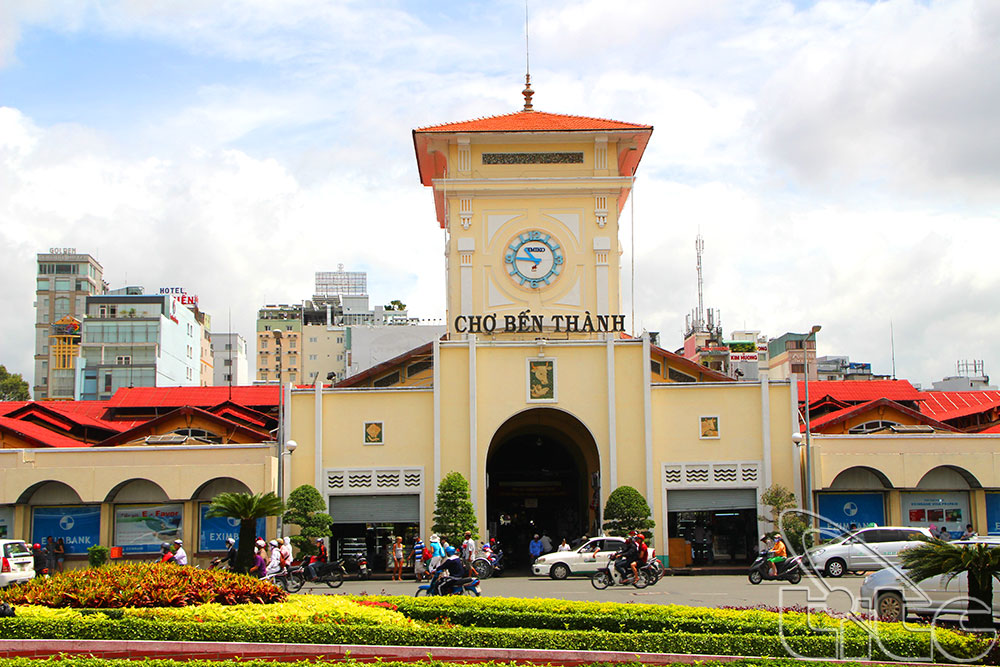
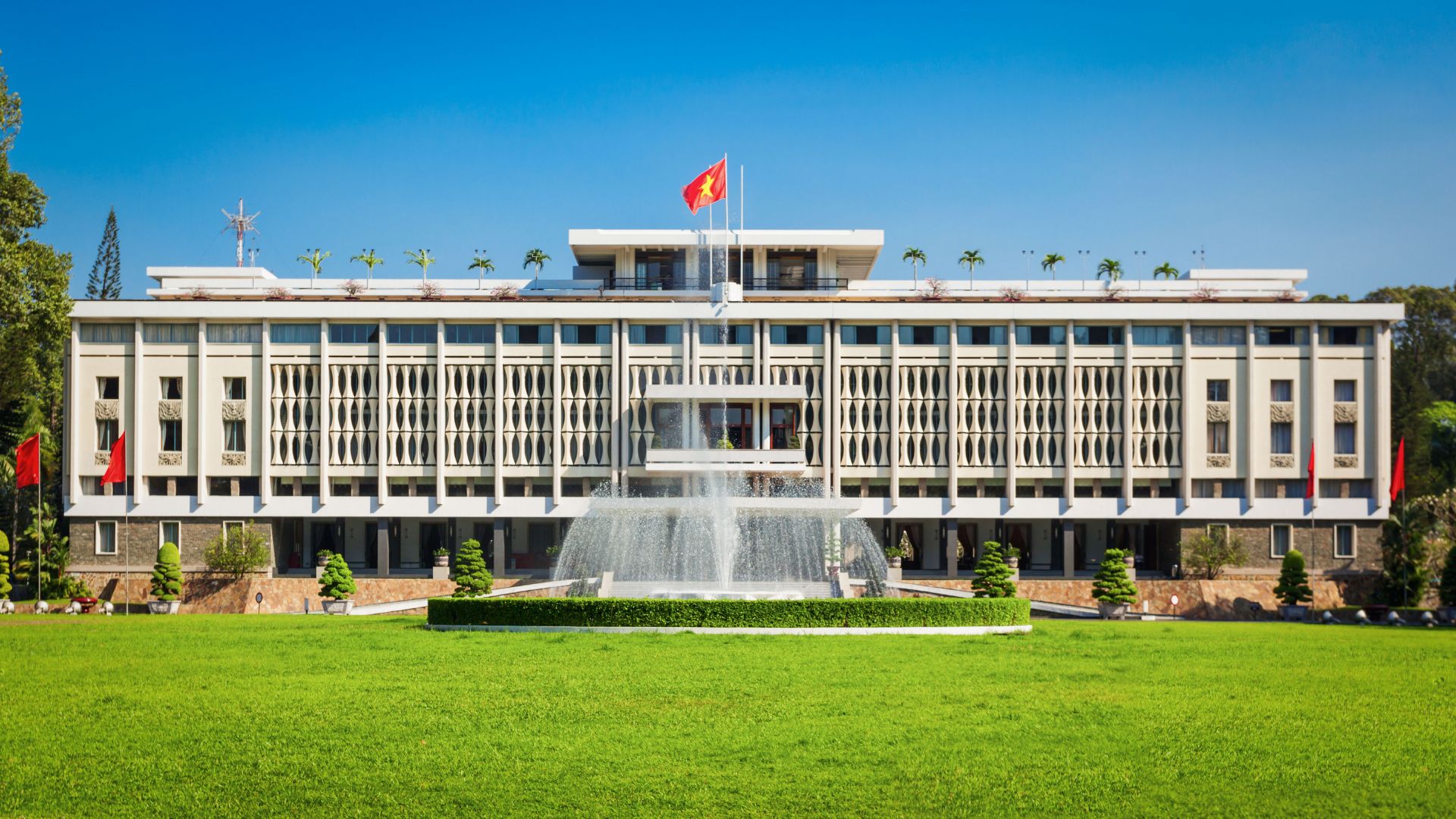
Essential application Ensure a perfect trip to Ho Chi Minh City by installing these essential travel apps for easy transport, quick bookings, and local insights.
Grab
DriverGuided by the Grab Way, our mission is to drive Southeast Asia forward by creating economic empowerment for everyone.